
Best Decking Material for Busy Backyards
Decking, Landscaping, York Region
How to Choose the Right Decking Material for High-Traffic Backyards
If your Richmond Hill or York Region backyard is constantly busy with kids, pets, and weekend gatherings, your deck needs to be more than just beautiful—it has to be tough, safe, and low-maintenance. Choosing the right decking material for a high-traffic backyard can feel overwhelming, especially with our Ontario climate and its constant freeze-thaw cycles. This guide breaks down your best options so you can invest in a deck that looks great and lasts for years.
Start with How You Use Your Backyard
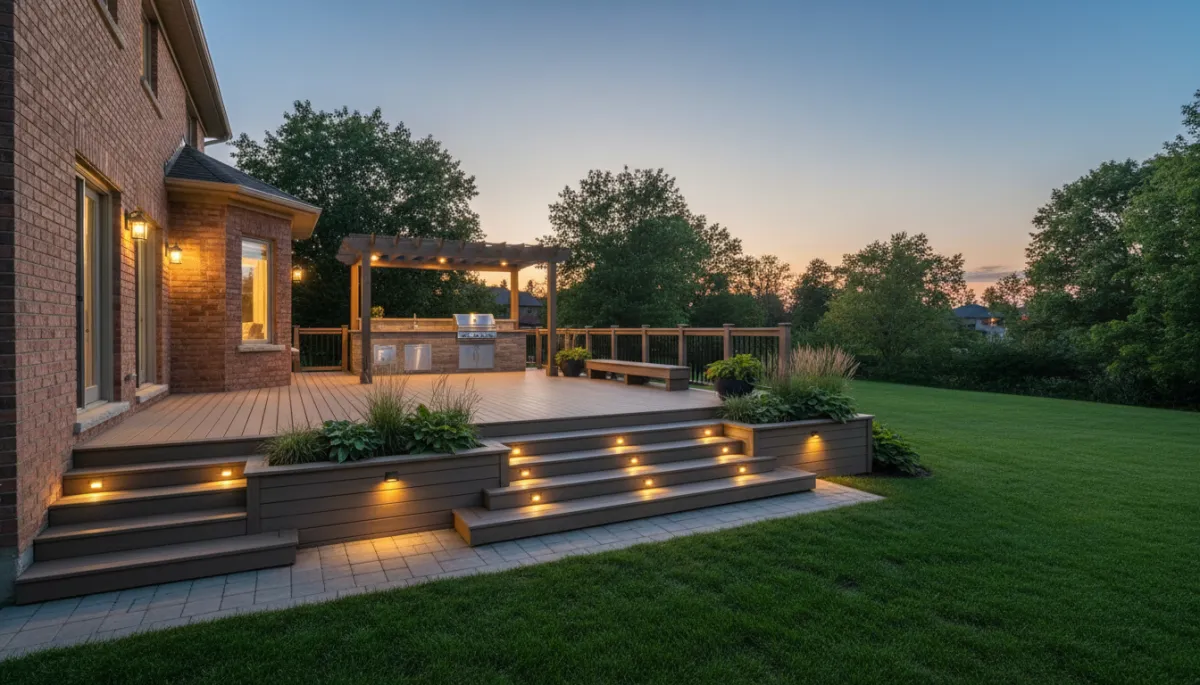
For many York Region homeowners, the deck is the hub of outdoor life—kids racing around with friends, dogs chasing toys, and adults grilling or relaxing with a drink. When traffic is that constant, your choice of decking material makes a huge difference in how your space looks and feels five, ten, or even twenty years from now.
At Lush Lawncare & Landscaping, we design and build decks across Richmond Hill and the wider York Region, so we see first-hand which products truly stand up to our climate and lifestyle. While there is no one-size-fits-all answer, capped composite decking is usually the best overall choice for high-traffic backyards, with PVC, cedar, ipe hardwood, and pressure-treated lumber each offering their own pros and cons.
Key Performance Factors for High-Traffic Decks
Before comparing materials, it helps to understand the performance factors that matter most for busy, family-focused spaces in Ontario:
- Surface hardness and scratch resistance: How well the surface stands up to pet claws, moving furniture, toys, and dropped items without showing deep marks or gouges.
- Heat tolerance for bare feet: Darker decks can get hot under the summer sun. For kids and pets, cooler, more comfortable surfaces are important.
- Slip resistance: With morning dew, rain, and snowmelt, you want a surface that provides good traction to reduce slips and falls.
- Durability under heavy load: Think sectionals, hot tubs, dining sets, and groups of people gathered in one spot—your deck needs to stay solid and stable.
- Maintenance demands: High-traffic decks get dirty quickly. Consider how much time and effort you want to spend on cleaning, staining, and repairs each year.
How Ontario’s Freeze-Thaw Cycle Affects Decking Materials
Our climate in Richmond Hill and across York Region brings repeated freeze-thaw cycles from late fall through early spring. Moisture gets into even tiny gaps and pores, then expands as it freezes, stressing the material over and over again. Here is how that impacts each major decking option:
- Capped composite: The dense core and protective polymer cap resist water absorption, so boards are far less likely to crack, split, or heave. This is a big reason composite decking in Ontario has become so popular.
- PVC decking: Made from synthetic material with virtually no water absorption, PVC handles freeze-thaw cycles very well. Expansion and contraction must be allowed for in installation, but the boards themselves are stable and long-lasting.
- Cedar: Naturally more porous. If not regularly sealed, moisture can penetrate, leading to surface checking, warping, and splintering over time as temperatures swing above and below freezing.
- Ipe hardwood: Very dense and naturally resistant to moisture, but still a natural product. Poor drainage or neglected maintenance can lead to hairline cracks and surface checking in harsh winters.
- Pressure-treated wood: Absorbs more water than composite or PVC. Repeated freeze-thaw cycles often cause cupping, twisting, and surface splinters, especially on high-traffic boards like stairs and landings.
Side-by-Side Comparison of Popular Decking Materials
Below is a general comparison of how each material performs for busy backyards in our region. Exact performance can vary by brand and colour, but this gives a realistic overview for planning your hardscaping project.
| Material | Hardness & Scratch Resistance | Heat & Bare-Foot Comfort | Slip Resistance | Heavy Load Durability | Maintenance Level |
|---|---|---|---|---|---|
| Capped Composite | Excellent; resists most everyday scratches and dents | Moderate; lighter colours stay more comfortable in sun | Very good; textured caps provide strong traction | Excellent; ideal for furniture, grills, hot tubs (with proper framing) | Low; soap-and-water cleaning, no staining or sealing |
| PVC Decking | Very good; hard surface, though can show scuffs | Can run hotter; choose lighter shades for comfort | Very good; many boards designed with high-grip textures | Excellent; stable under heavy use and loads | Very low; simple periodic washing |
| Cedar | Softer; shows scratches and dents more easily | Comfortable; stays relatively cool underfoot | Good when clean; algae and mildew can reduce grip if neglected | Moderate; fine for families but less ideal for hot tubs or very heavy furniture without upgrades | High; needs regular staining or sealing and inspections |
| Ipe Hardwood | Exceptional; extremely hard and scratch-resistant | Can become warm; lighter finishes help reduce heat | Very good; dense grain offers solid footing when maintained | Excellent; ideal for heavy traffic and loads | Moderate to high; needs periodic oiling to preserve colour and prevent checking |
| Pressure-Treated Wood | Moderate; more prone to dents, scratches, and splinters over time | Fair; generally comfortable but can heat up when stained dark | Fair; can become slippery with mildew or algae growth | Moderate; structurally sound but more prone to warping and cupping | High; requires regular cleaning, staining, and repairs |
Capped Composite: Best Overall for Busy, Family-Focused Decks
For most high-traffic backyards we see in Richmond Hill, capped composite decking strikes the best balance of durability, safety, and low maintenance. The composite core provides strength and stability, while the protective cap resists staining, fading, and scratching better than traditional wood. Pet claws, tricycles, and frequent furniture rearranging are far less likely to leave permanent marks compared with softer woods like cedar.
In terms of heat, composite will feel warmer than natural wood on very hot days, but choosing lighter colours and adding shade structures or umbrellas can keep it comfortable for bare feet. Many modern boards are also engineered with slip-resistant textures, giving your family more confidence on rainy days and during spring thaw. Combined with its excellent performance in freeze-thaw conditions, composite is often our first recommendation for deck installation in Richmond Hill where long-term value is a priority.
When PVC, Cedar, Ipe, or Pressure-Treated Wood Make Sense
While capped composite is usually the best all-rounder, the other materials still have a place depending on your goals, budget, and aesthetic preferences for your high-traffic backyard.
- PVC decking is a great choice if you want ultra-low maintenance and maximum moisture resistance, particularly in areas close to pools, hot tubs, or ground-level installations. Just keep in mind its tendency to run hotter in full sun and choose lighter, more reflective colours when possible.
- Cedar offers a warm, classic look and stays pleasantly cool underfoot. For families that love the natural character of wood and don’t mind regular staining and sealing, cedar can be a beautiful option. However, in very high-traffic zones, it will show wear faster than composite or ipe.
- Ipe hardwood is the premium choice for those who want the richness of real wood with exceptional hardness and longevity. It is ideal for luxury outdoor spaces and heavy-use areas, but the material and installation costs are higher, and maintenance is still required to preserve its colour and integrity in Ontario’s climate.
- Pressure-treated wood remains the most budget-friendly option. It can be a practical choice for secondary decks, side-yard access platforms, or when you need to maximize size on a tighter budget. For primary family gathering spaces, however, be prepared for more frequent maintenance and a shorter overall lifespan, especially under heavy use.
Matching the Right Material to Your Family’s Lifestyle
Ultimately, the “right” decking material is the one that fits your family’s habits, your tolerance for maintenance, and your long-term plans for your home. Active families with dogs, sports gear, and frequent gatherings often prefer the worry-free nature of composite or PVC. Homeowners who love the look and feel of real wood may lean toward cedar or ipe, accepting the extra upkeep as part of the trade-off.
If you are not sure where to start, exploring real-life projects can help. Take a look at the Lush Lawncare & Landscaping project gallery to see how different materials look once installed in local backyards.
Planning Your Deck with a Local Ontario Expert
Working with a local team that understands York Region’s soil conditions, building codes, and weather patterns is essential. At Lush Lawncare & Landscaping, we design decks that are not only beautiful, but also engineered for the specific loads and traffic patterns of your household—from kids’ play zones to outdoor kitchens and hot tubs. We also consider sun exposure, shade, and wind so your deck feels comfortable from early spring to late fall.
If you live in or near Richmond Hill or elsewhere in York Region, we invite you to learn more about our decking and cabana services and full range of hardscaping solutions. You can also view all the communities we serve on our locations page.
Ready to Build a High-Traffic Deck That Lasts?
A well-designed, thoughtfully built deck can transform your backyard into the most-used “room” of your home—somewhere your kids, pets, and guests naturally gather. Choosing the right decking material is the first step toward a space that looks great, feels safe, and stands up to years of real-life use in Ontario’s challenging climate.
If you are ready to explore options for your own high-traffic backyard, the team at Lush Lawncare & Landscaping is here to help with expert advice and professional installation. Contact us today to schedule a consultation, discuss materials like composite, PVC, cedar, ipe, and pressure-treated wood, and start planning a deck that your family will enjoy for many seasons to come.