Native Plant Import in Richmond HIll
SUSTAINABLE, LOW-MAINTENANCE LANDSCAPING
Gardens that work with nature, not against it — beautiful, resilient, and alive with pollinators.
Native plants are adapted to York Region's climate, meaning they need less water, fertilizer and upkeep while supporting local pollinators. We source and install native species that look natural, thrive year after year, and give your landscape a sustainable, low-maintenance foundation.
Choosing native plants is one of the most impactful decisions you can make for your landscape. Because they evolved in this climate, they're naturally resistant to local pests, tolerant of our freeze-thaw winters and summer dry spells, and they provide critical habitat for bees, butterflies, and birds. The result is a garden that practically takes care of itself while contributing to local biodiversity — a living landscape that gets better and more established every year.
Drought Tolerant: Species adapted to local rainfall need far less watering once established.
Pollinator Friendly: Native flowers and grasses support bees, butterflies and local wildlife.
Low Maintenance: Naturally resistant to local pests and diseases, reducing chemical inputs.
Four-Season Interest: Native grasses and seed heads provide winter structure and wildlife food.
What's Included
Native Perennial Gardens
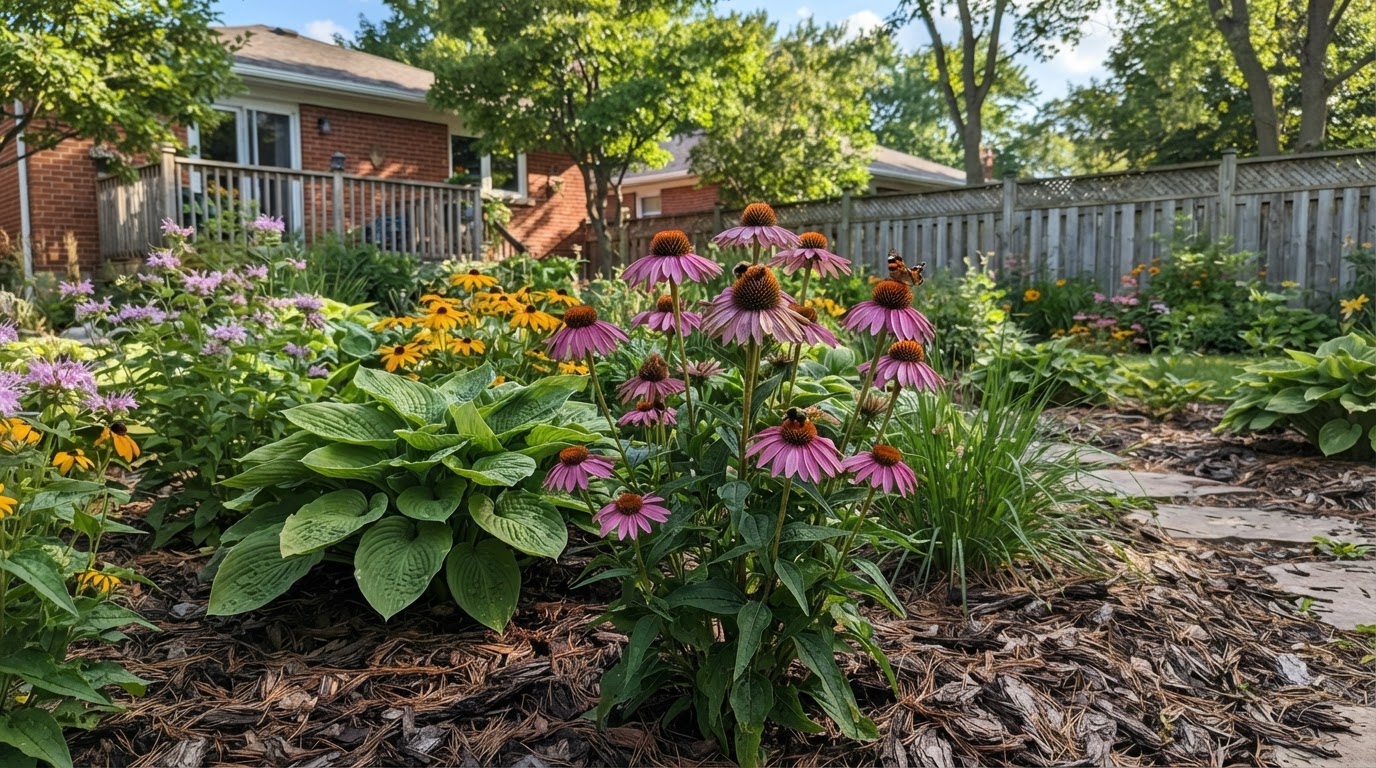
Hardy native perennials like coneflower, black-eyed Susan, and bee balm that return fuller each year.
Native Grasses
Ornamental native grasses that add movement, winter interest, and four-season structure.
Pollinator Habitats
Designed specifically to attract and support bees, butterflies, and beneficial native insects.
Rain Gardens
Native plantings in low areas designed to absorb and filter stormwater runoff naturally.
Native Shrubs & Trees
Serviceberry, dogwood, and other native woody plants for structure and wildlife value.
Sourced Responsibly
We source from trusted local native-plant nurseries to ensure genetic appropriateness and plant health.
Our Process
Site & Goal Assessment
We assess your site conditions and discuss goals — pollinators, low maintenance, screening, or rain management.
Native Species Plan
We design a plant community of native species matched to your soil, sun, and moisture conditions.
Sourcing & Installation
We source healthy native stock from local nurseries and install at proper spacing and depth.
Establishment & Mulch
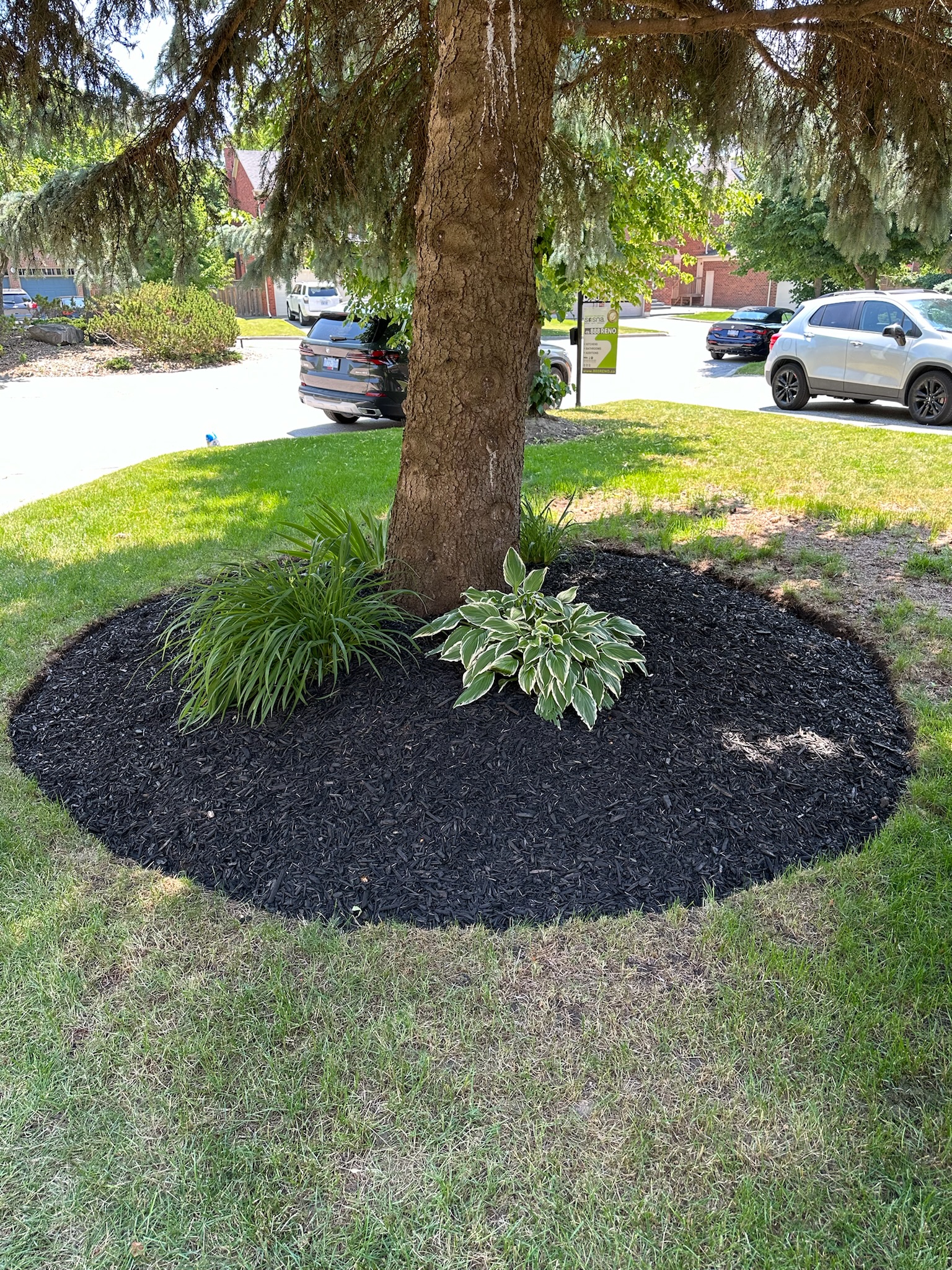
We mulch, water in, and provide an establishment care plan — natives need care in year one, then thrive on their own.
Established Natives Thrive on Their Own
Native plants need a little help in their first season to build deep roots — consistent watering while they establish. But once established (usually by year two), they're remarkably self-sufficient: drought-tolerant, pest-resistant, and largely care-free. That's the real payoff — a lush, wildlife-rich garden that needs a fraction of the water, fertilizer, and attention of a conventional landscape.
Ready to Transform Your Outdoor Space?
Serving Richmond Hill, Aurora, Newmarket, Markham, Vaughan and the surrounding York Region communities. Contact us today for a free, no-obligation estimate.
Your Questions Answered
A native plant is one that evolved naturally in a region over thousands of years, adapted to its climate, soil, and ecosystem. For York Region, that means species indigenous to southern Ontario — like coneflower, black-eyed Susan, switchgrass, and serviceberry. These plants co-evolved with local pollinators and wildlife, which is why they support the local ecosystem so effectively.