De-Thatching Services
Serving Richmond Hill & Aurora
Professional Lawn Dethatching Services
Is your lawn feeling spongy when you walk on it? That's likely excess thatch buildup. Our professional dethatching service removes this dead organic layer, allowing your grass to breathe, absorb nutrients, and grow stronger.
Regular dethatching is essential for maintaining a healthy, vibrant lawn in Richmond Hill. Combined with aeration and overseeding, it's one of the most impactful services you can invest in for your lawn's long-term health.
What Exactly is Thatch?
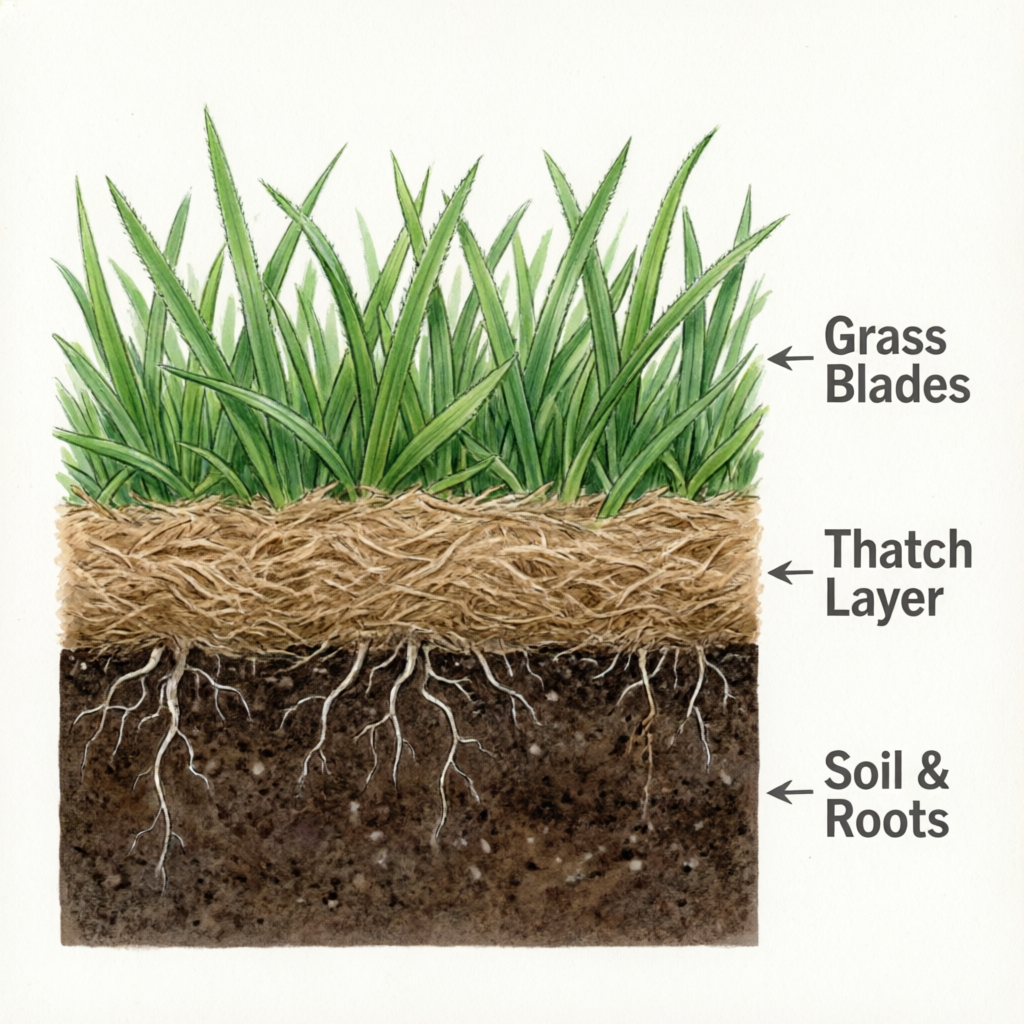
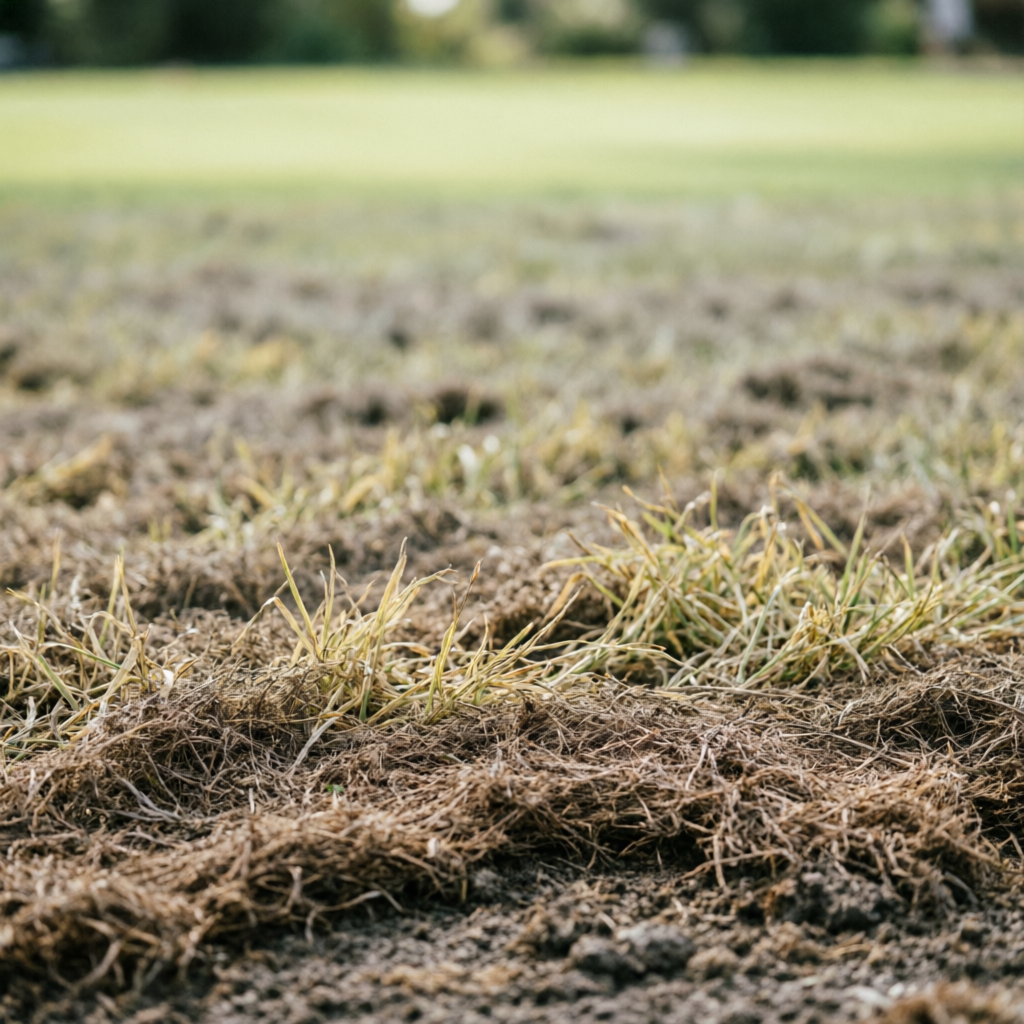
Thatch is a layer of dead grass stems, roots, and organic debris that accumulates between the green grass blades and the soil surface. A thin layer (up to 1/2 inch) is actually beneficial, providing insulation and moisture retention. However, when thatch exceeds 1/2 inch, it becomes problematic.
Excess thatch prevents water, air, and nutrients from reaching the soil and grass roots, leading to a weak, unhealthy lawn that's prone to disease, pests, and drought stress.
Healthy (0-1/2")
Normal buildup, no action needed
Moderate (1/2"-3/4")
Consider dethatching soon
Excessive (3/4"+)
Dethatching required immediately
Signs Your Lawn Needs Dethatching
Not sure if your lawn has excess thatch? Look for these common warning signs that indicate it's time for professional dethatching service.
Spongy Feel
Lawn feels soft or bouncy when you walk on it, indicating thick thatch layer beneath the grass
Water Pooling
Water sits on the surface instead of soaking in, showing thatch is blocking absorption
Thin, Weak Grass
Grass appears thin despite regular fertilization, as nutrients can't reach the roots
Increased Pests
Thatch provides hiding spots for insects and creates ideal conditions for lawn diseases
Visible Brown Layer
You can see a brown, fibrous layer between the green grass and the soil surface
Poor Fertilizer Response
Lawn doesn't respond to fertilization because nutrients are trapped in the thatch layer
Benefits of Professional Dethatching
Regular dethatching is one of the most effective ways to improve your lawn's overall health and appearance. Here's what you can expect.
Improved Water Absorption
Water penetrates soil instead of running off the surface
Better Nutrient Uptake
Fertilizers reach the root zone where they're needed most
Enhanced Air Circulation
Soil and roots get the oxygen they need to thrive
Reduced Disease Risk
Removes habitat for fungus and lawn diseases
Stronger Root Growth
Roots can grow deeper into the soil without obstruction
Thicker, Healthier Grass
Lawn responds with vigorous new growth after treatment
Our Dethatching Process
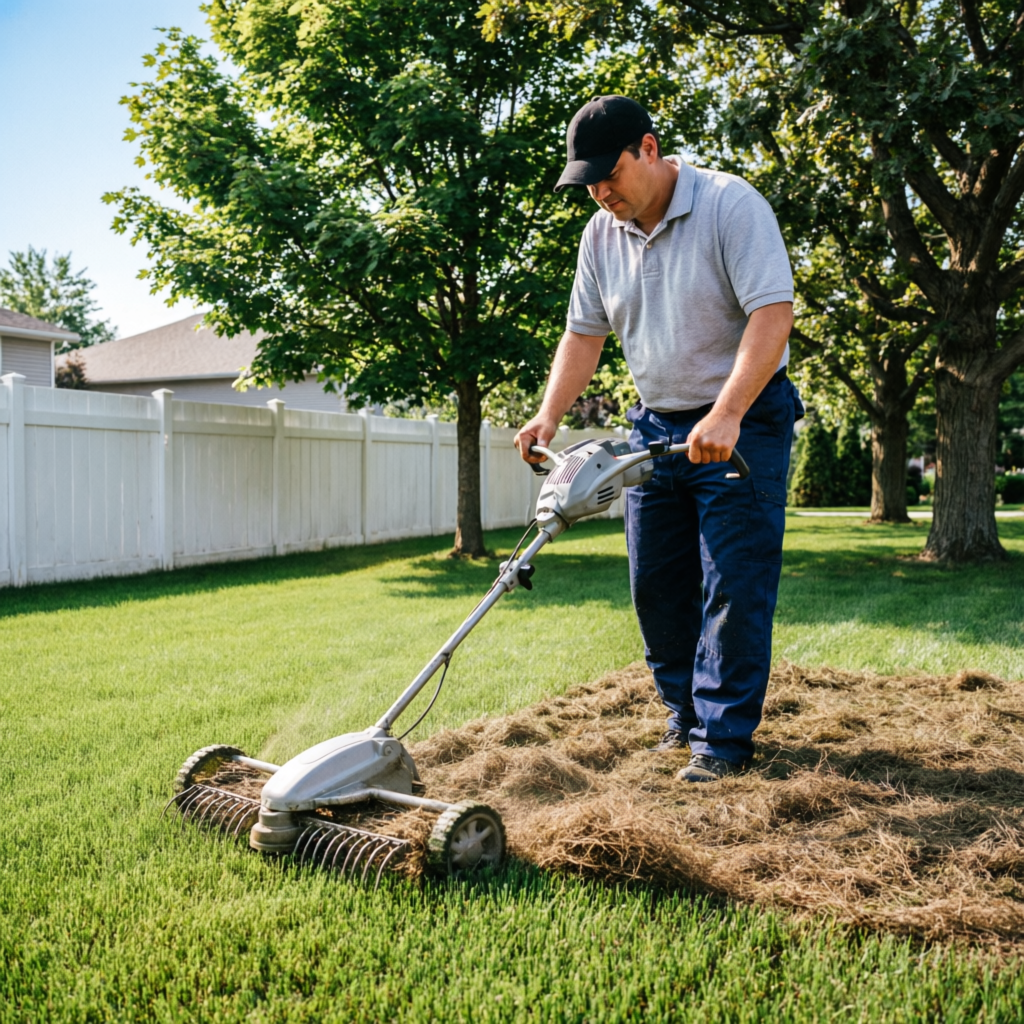
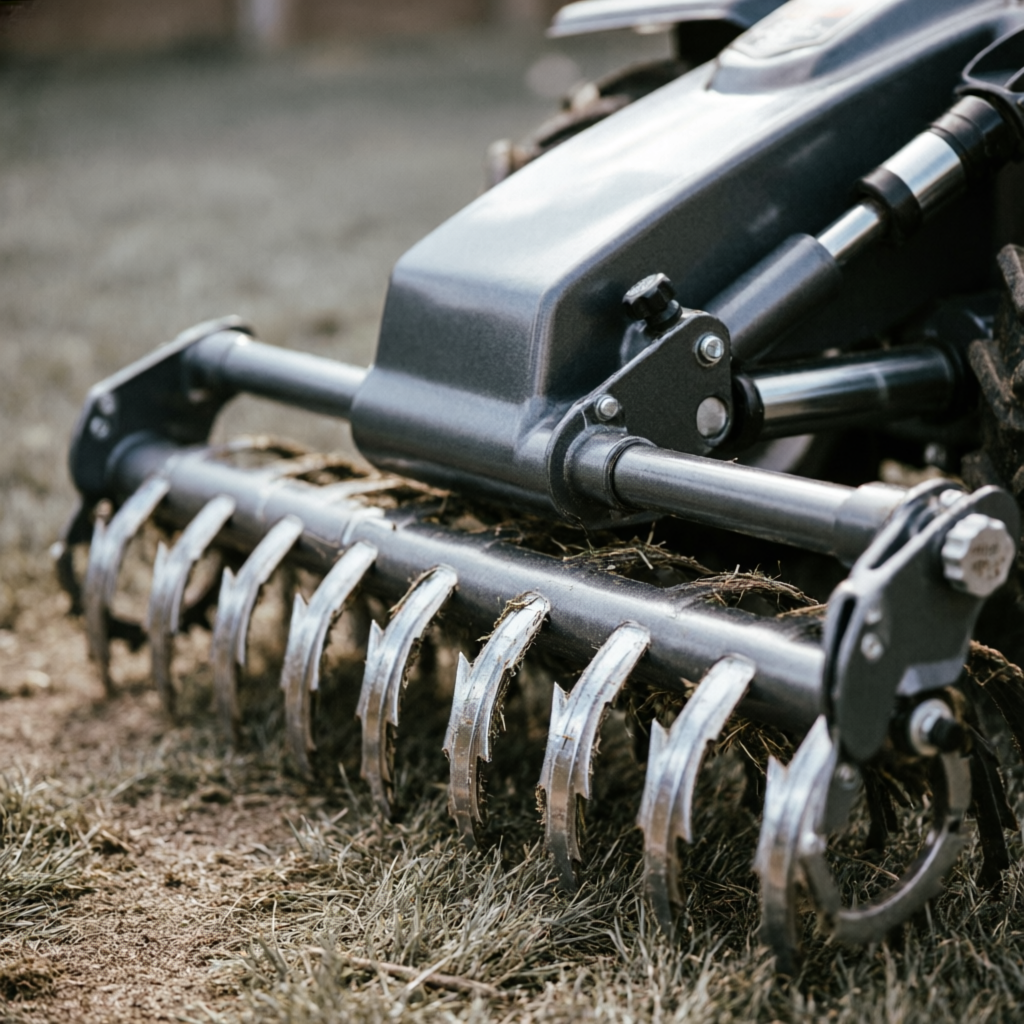
Professional dethatching requires the right equipment and expertise. We use commercial-grade power rakes that effectively remove thatch without damaging healthy grass.
Lawn Assessment
We measure thatch thickness and evaluate lawn condition
Preparation
Lawn is mowed short and lightly watered for optimal results
Dethatching
Power rake removes thatch in overlapping passes
Debris Removal
All loosened thatch is collected and removed from property
Aftercare Plan
We provide watering and recovery instructions
See the Difference
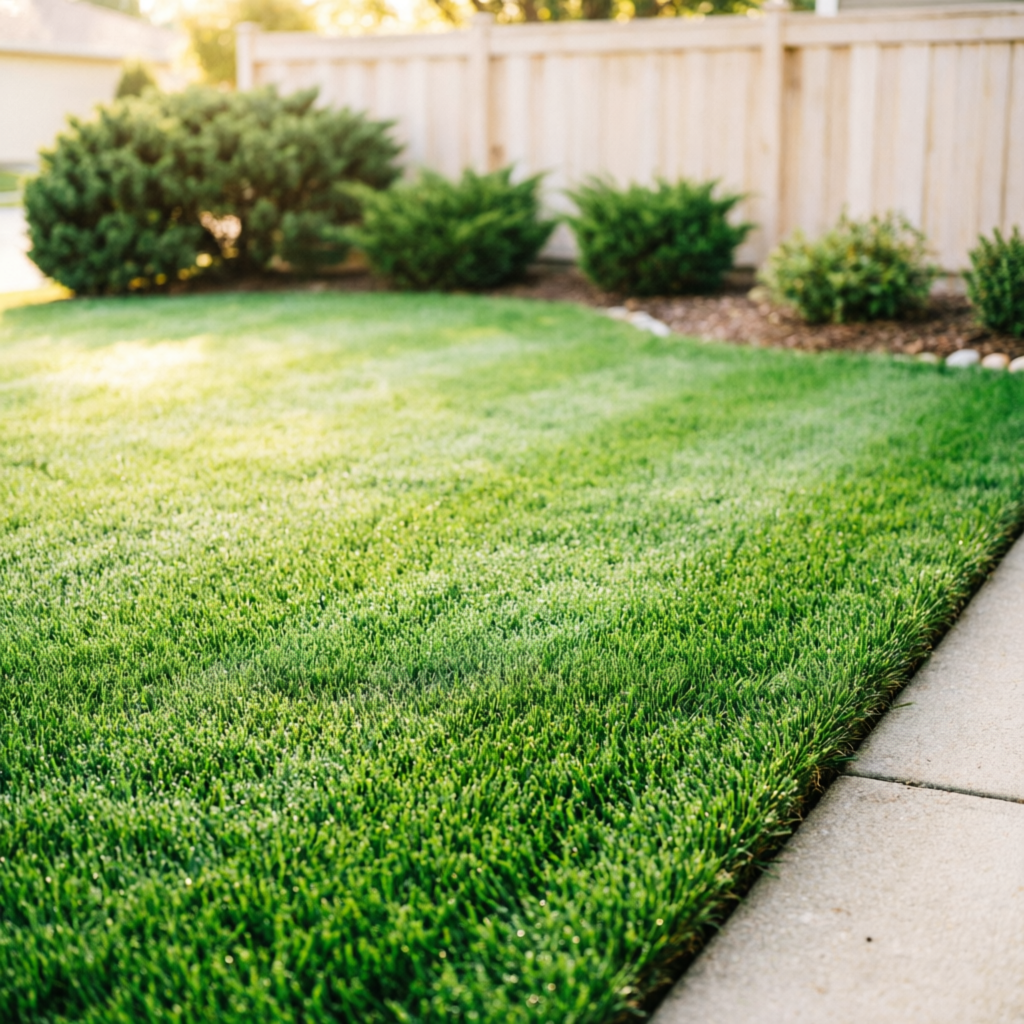
Dethatching transforms your lawn's health and appearance. Here's what you can expect before and after professional service.
Frequently Asked Questions
Have questions about dethatching? We've got answers.
Most lawns benefit from dethatching every 2-3 years. However, lawns with heavy foot traffic, clay soil, or those that receive frequent fertilization may need dethatching annually. We recommend having your thatch thickness measured each spring to determine if service is needed.
Early fall (late August to September) is ideal for dethatching in Richmond Hill, as the lawn has time to recover before winter. Early spring (April to May) is the second-best option. Avoid dethatching during summer heat or when the lawn is stressed from drought.
No, they're different services that complement each other. Dethatching removes the layer of dead organic matter on top of the soil, while aeration creates holes in the soil itself to relieve compaction. We often recommend doing both services together for maximum lawn health benefits.
When done correctly by professionals, dethatching will not damage your lawn. Your grass may look rough immediately after service, but this is normal. With proper watering and care, your lawn will recover quickly and grow back thicker and healthier within 3-4 weeks.
Most lawns show visible recovery within 2-3 weeks, with full recovery in 4-6 weeks. Keep the lawn well-watered during recovery, avoid heavy foot traffic for the first week, and consider applying a light fertilizer to encourage new growth. We provide detailed aftercare instructions with every service.
Absolutely! Dethatching creates excellent seed-to-soil contact, making it the perfect time to overseed. The removal of thatch allows new grass seed to reach the soil surface and germinate more effectively. We offer package deals combining dethatching with overseeding for best results.
We collect and remove all the loosened thatch debris from your property. The thatch can be composted if you have a composting system, or it can be disposed of with yard waste. We never leave the debris on your lawn as it would simply recreate the thatch problem we just solved.
While you can rent dethatching equipment, professional service is recommended. Commercial-grade equipment is more effective and less likely to damage your lawn. Our technicians have the expertise to adjust blade depth properly and know when your lawn truly needs dethatching versus other treatments.
Ready to Remove Thatch and Restore Your Lawn?
Don't let excess thatch suffocate your lawn. Our professional dethatching service will help your grass breathe, absorb nutrients, and grow thicker and healthier. Get your free quote today.
Get Your Free Quote
Lush Lawncare & Landscaping
CUSTOMER CARE
LEGAL
FOLLOW US


Copyright 2026. Lush Lawncare & Landscaping. All Rights Reserved.