
Lawn Overseeding
Serving Richmond Hill & Aurora
Professional Lawn Overseeding Services
Transform your thin, patchy lawn into a thick, lush carpet of green. Our professional overseeding service introduces new grass seed into your existing lawn to fill in bare spots and improve overall density.
Combined with our expert aeration services, overseeding is the perfect solution for Richmond Hill lawns suffering from wear, disease, or natural thinning over time.
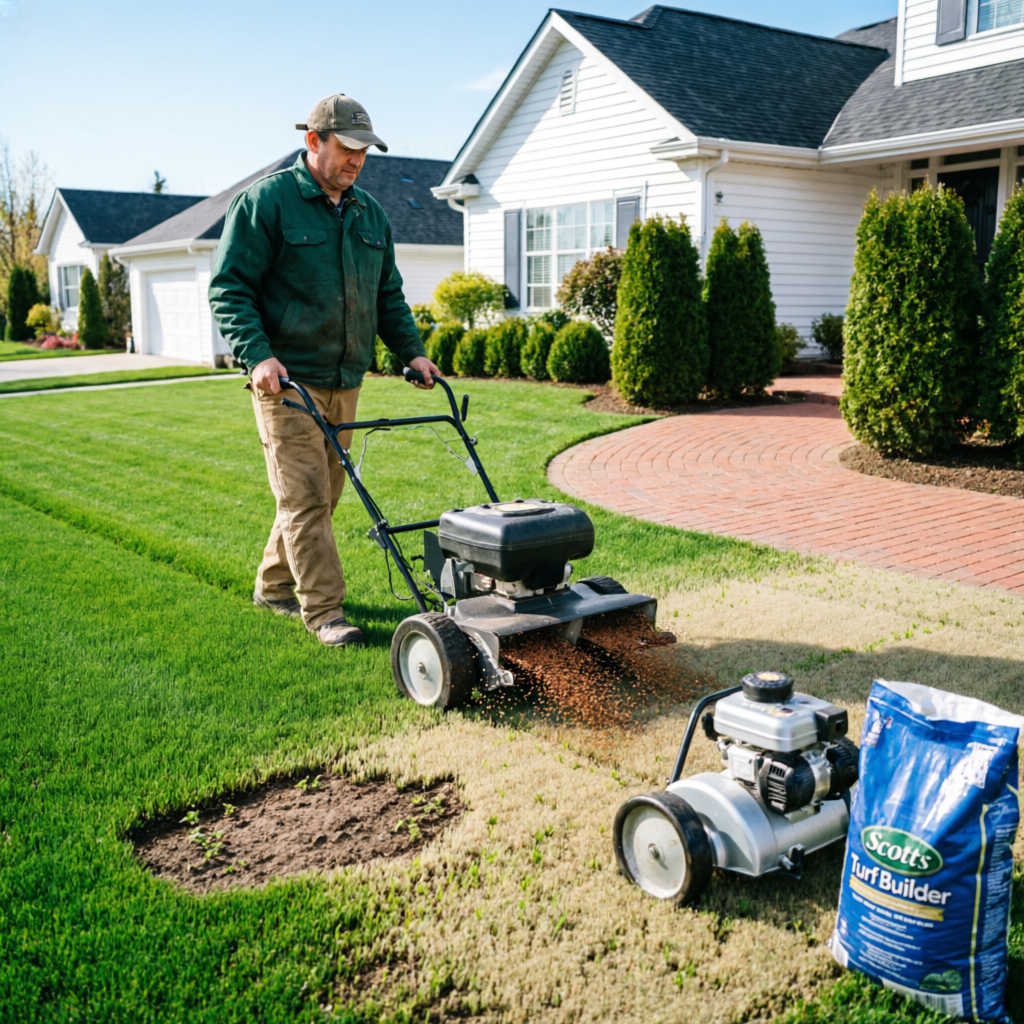
Premium Grass Seed Varieties
We use only the highest quality grass seed blends, carefully selected for Richmond Hill's climate and soil conditions. Each variety offers unique benefits for your lawn.
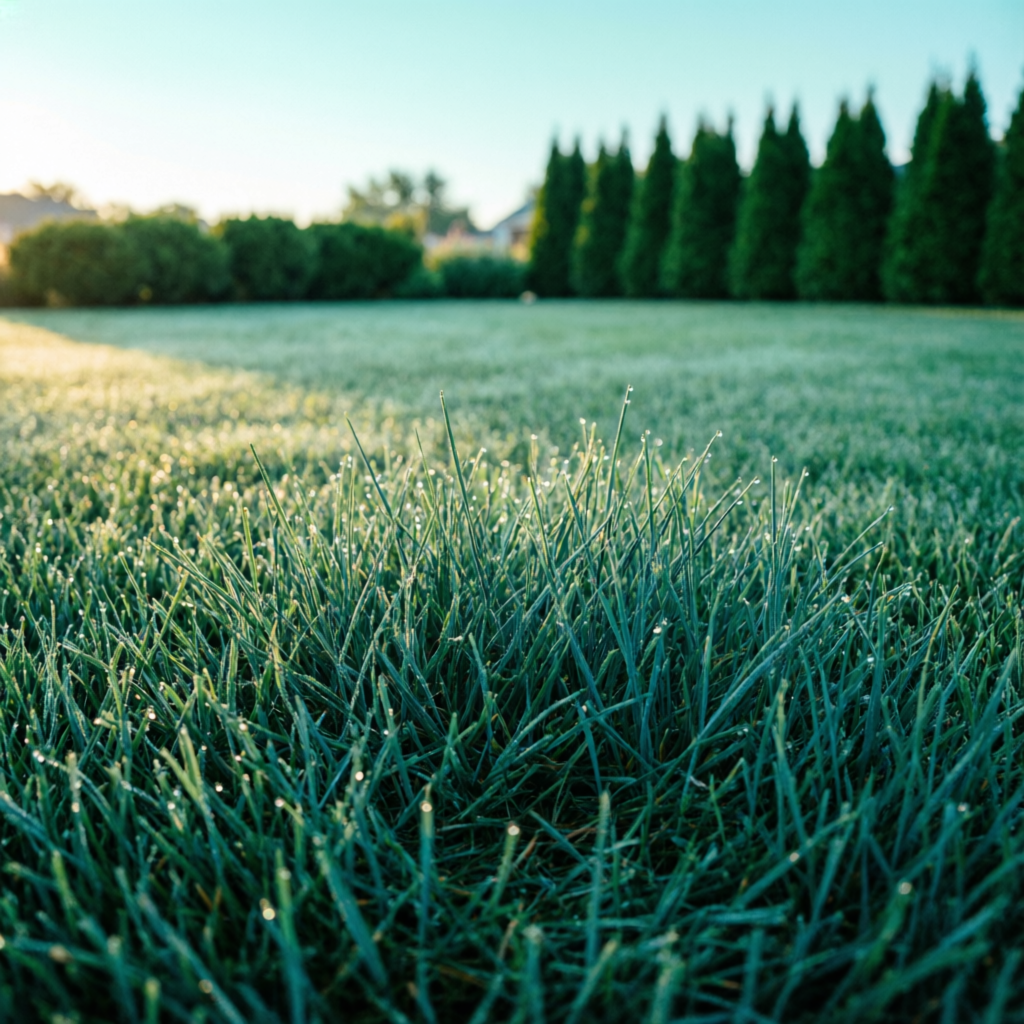
Kentucky Bluegrass
The gold standard for Ontario lawns. Known for its rich blue-green color and ability to spread and self-repair through underground rhizomes.
- Excellent cold tolerance
- Self-repairing capability
- Dense, luxurious appearance
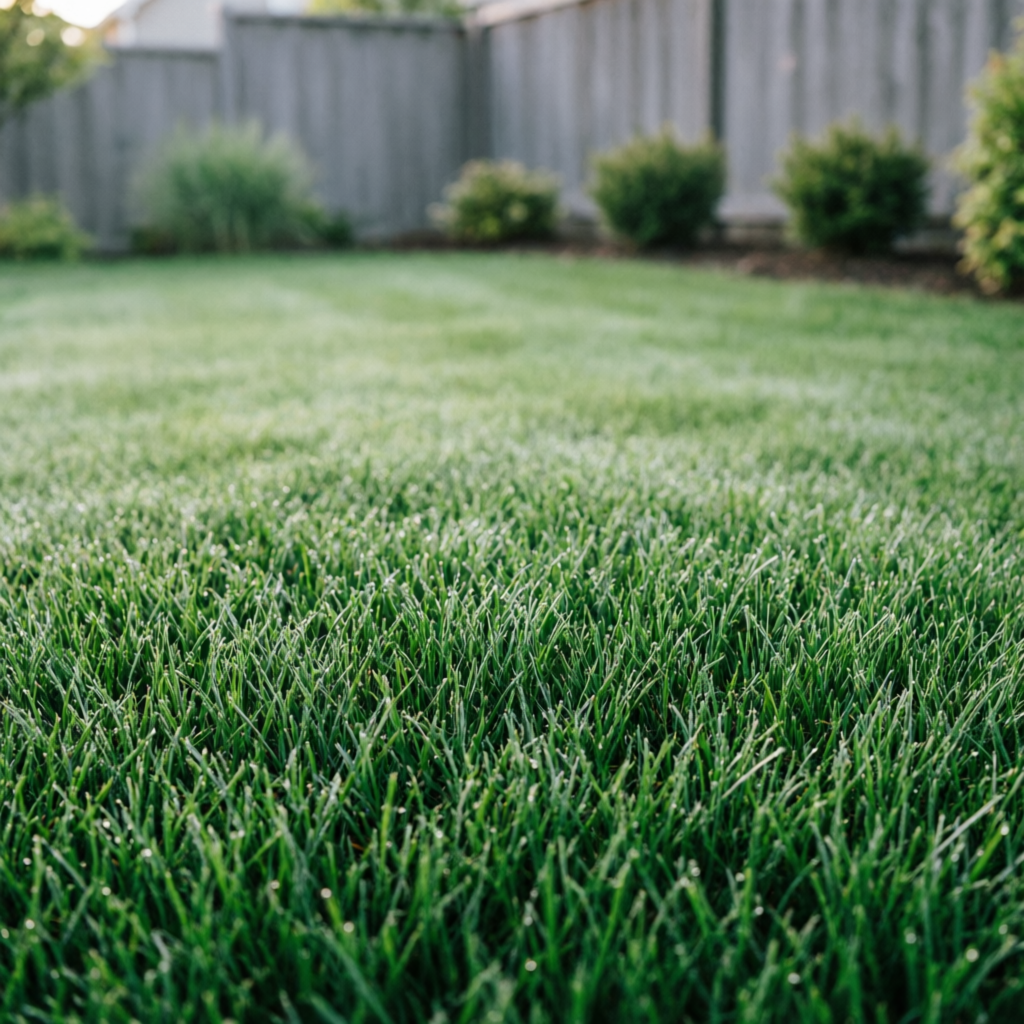
Perennial Ryegrass
Quick-establishing grass that germinates in just 5-7 days. Perfect for quick coverage and high-traffic areas that need durability.
- Germinates in 5-7 days
- High wear tolerance
- Disease resistant
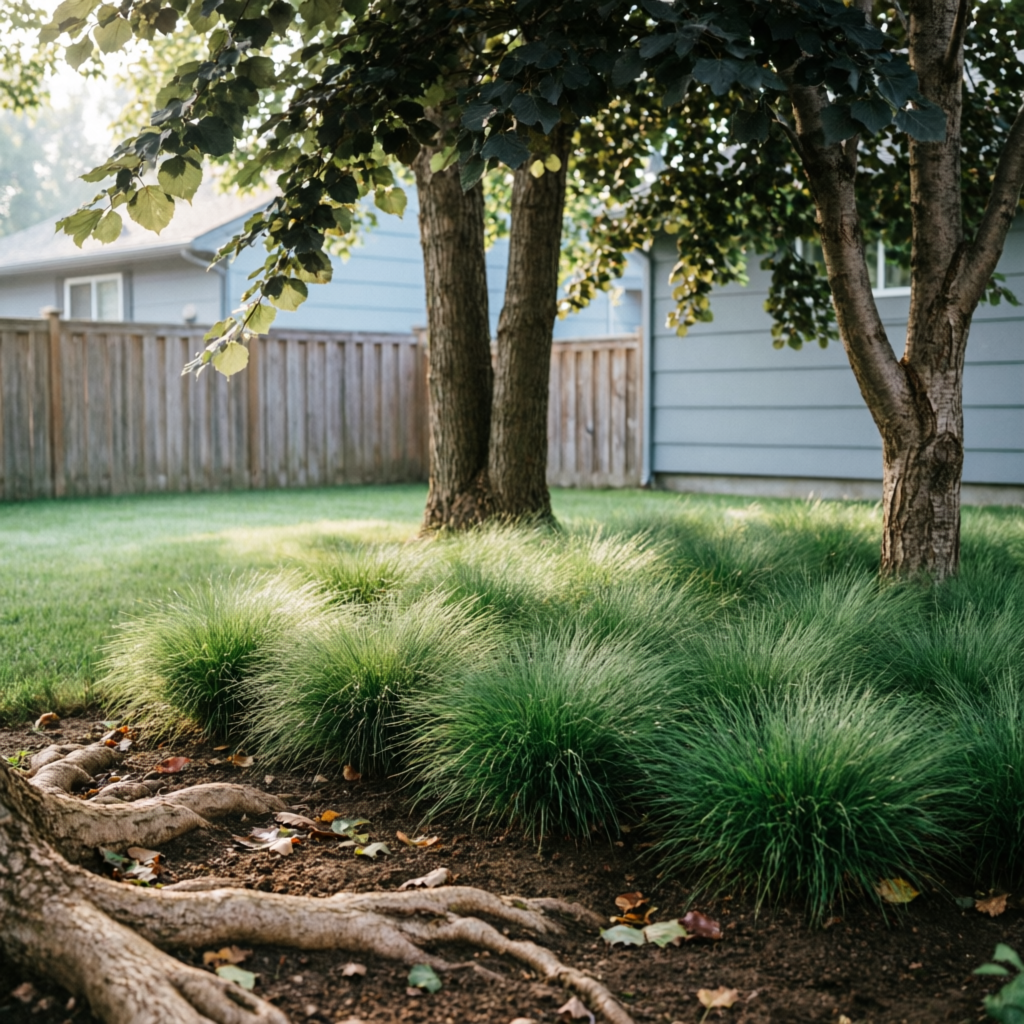
Fine Fescue
Ideal for shady areas and low-maintenance lawns. This hardy grass thrives in poor soil conditions and requires less water and fertilizer.
- Excellent shade tolerance
- Low water requirements
- Minimal fertilizer needs
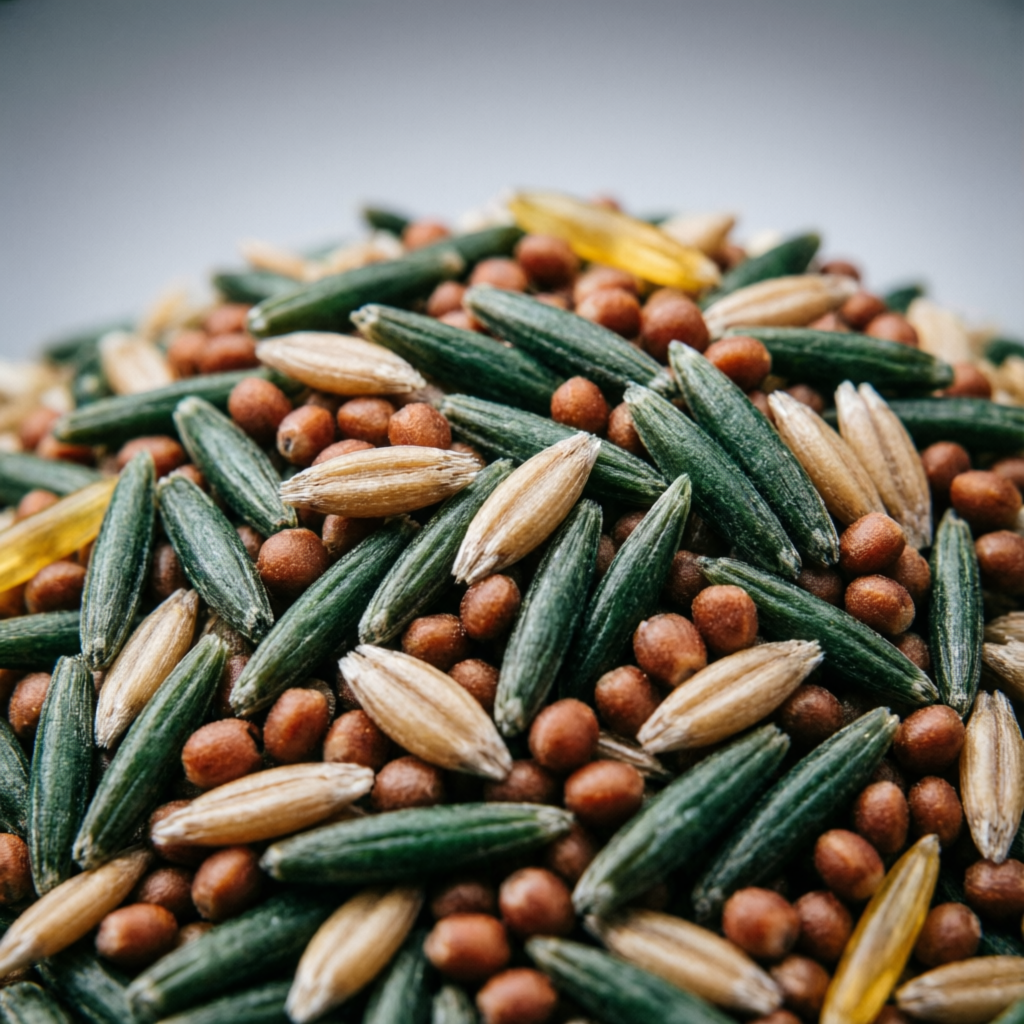
Custom Premium Blend
Our signature blend combines the best qualities of multiple grass types for a resilient, beautiful lawn that thrives in Richmond Hill conditions.
- Balanced for all conditions
- Enhanced disease resistance
- Year-round green color
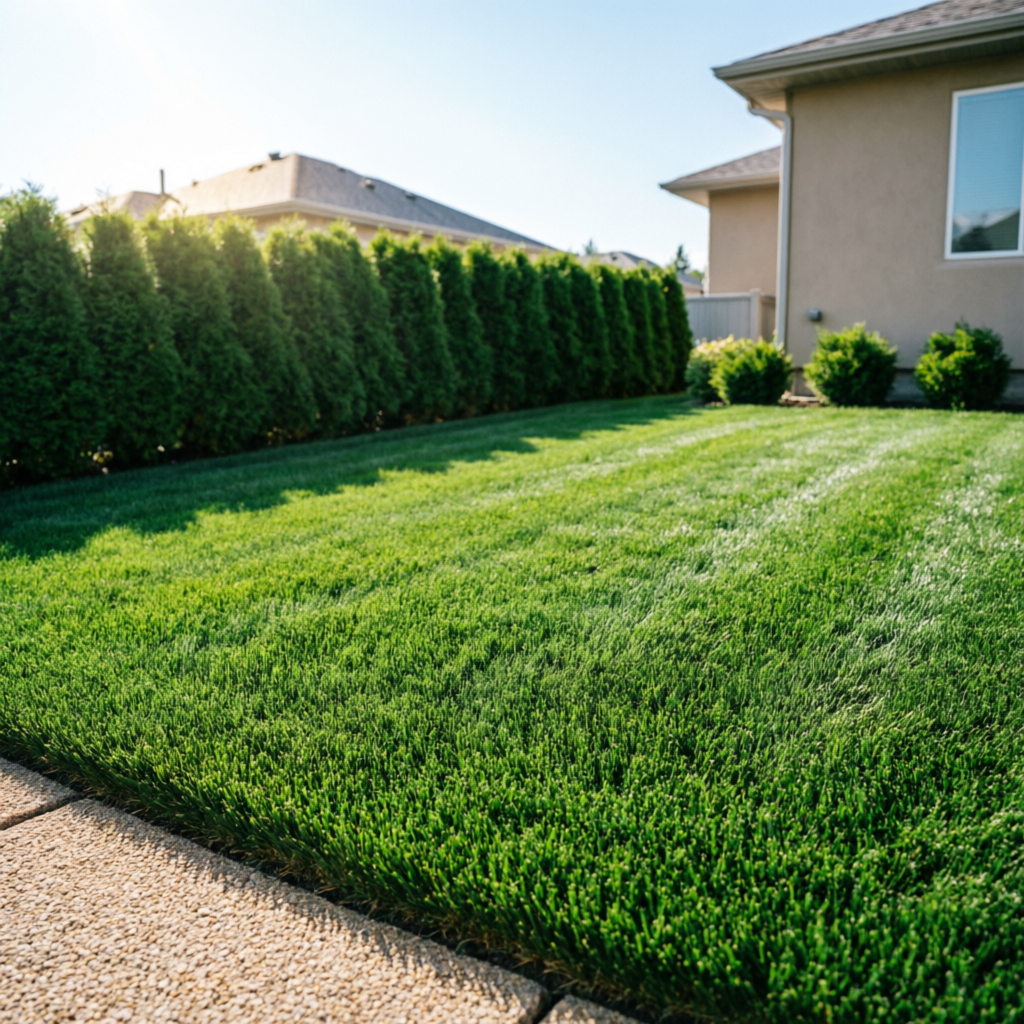
Why Overseed Your Lawn?
Over time, lawns naturally thin out due to weather stress, foot traffic, pests, and disease. Overseeding rejuvenates your lawn by introducing fresh, vigorous grass plants that fill in bare patches and crowd out weeds.
Fills Bare Patches
Eliminates unsightly thin spots
Natural Weed Control
Dense grass crowds out weeds
Improved Color
Fresher, greener appearance
Disease Resistance
Newer varieties resist problems
Cost-Effective
Cheaper than full renovation
Increased Density
Thicker, more resilient turf
Our Overseeding Process
Professional overseeding requires careful preparation and timing. We follow a proven 5-step process to ensure maximum seed germination and establishment.
Lawn Preparation
Mow short and remove debris for optimal seed-to-soil contact
Aeration
Core aeration creates ideal channels for seed placement
Seed Application
Premium seed spread evenly using professional equipment
Starter Fertilizer
Phosphorus-rich fertilizer promotes root development
Watering Plan
Detailed instructions for optimal germination
What to Expect
Understanding the overseeding timeline helps set proper expectations for your lawn transformation.
Germination Phase
With proper watering, you'll see tiny green sprouts emerging within 7-14 days. Ryegrass germinates first (5-7 days), followed by fescue (10-14 days), and finally Kentucky Bluegrass (14-21 days). Keep the soil consistently moist during this critical period.
Establishment Phase
New grass seedlings grow to 2-3 inches tall. You can resume normal mowing but keep blades sharp and cut no more than 1/3 of grass height. The lawn will start looking noticeably thicker and greener as new grass fills in bare areas.
Maturation Phase
New grass develops stronger root systems and begins to blend seamlessly with existing turf. You can resume normal lawn care activities including regular fertilization. The lawn should appear significantly denser and more uniform.
Full Results
Your overseeded lawn reaches full maturity with a thick, uniform appearance. The new grass has fully integrated with existing turf, creating a resilient, beautiful lawn that's better equipped to handle stress, traffic, and Ontario weather conditions.
Frequently Asked Questions
Have questions about overseeding? We've got answers.
Early fall (late August to mid-September) is the ideal time for overseeding in Richmond Hill. The soil is still warm from summer, which promotes germination, while cooler air temperatures reduce stress on new seedlings. Spring (April to May) is the second-best option, though weed competition is higher.
Overseeding costs vary based on lawn size and whether aeration is included. Contact us for a free, no-obligation quote. We offer competitive pricing and package deals when combined with our fertilization program. Investing in overseeding now saves money compared to complete lawn renovation later.
Absolutely! Aeration and overseeding work best together. Core aeration creates holes in the soil that provide perfect seed-to-soil contact, which is essential for germination. The holes also protect seeds from being washed away and give seedlings room to establish strong roots.
For most lawns, overseeding once per year (preferably in fall) maintains optimal density and health. Lawns with heavy foot traffic, pet activity, or those showing signs of thinning may benefit from overseeding twice per year. Regular overseeding keeps your lawn young and vigorous.
For the first 2 weeks, keep the top inch of soil consistently moist but not soggy. This typically means light watering 2-3 times per day for 10-15 minutes. After germination, gradually reduce frequency and increase depth to encourage deep root growth. We provide detailed watering instructions after service.
Wait until new grass reaches about 3 inches tall before the first mow, typically 3-4 weeks after overseeding. Use a sharp blade and never cut more than 1/3 of the grass height at once. Keep mower wheels clean to avoid pulling up new seedlings, and consider bagging clippings initially.
Yes! A thick, dense lawn from overseeding naturally crowds out weeds by competing for sunlight, water, and nutrients. However, avoid weed preventers for at least 6-8 weeks after overseeding as they can prevent grass seed from germinating. We'll advise on the right timing for weed control.
Light raking or dethatching before overseeding helps remove dead grass and debris, allowing seeds to reach the soil surface. However, if you're having us aerate first, additional raking is usually unnecessary as aeration provides excellent seed-to-soil contact on its own.
Ready to Transform Your Lawn?
Don't let bare patches and thin grass ruin your lawn's appearance. Our expert overseeding service will restore density, color, and health to your Richmond Hill lawn. Get your free quote today.
Get Your Free Quote
Lush Lawncare & Landscaping
CUSTOMER CARE
LEGAL
FOLLOW US


Copyright 2026. Lush Lawncare & Landscaping. All Rights Reserved.