
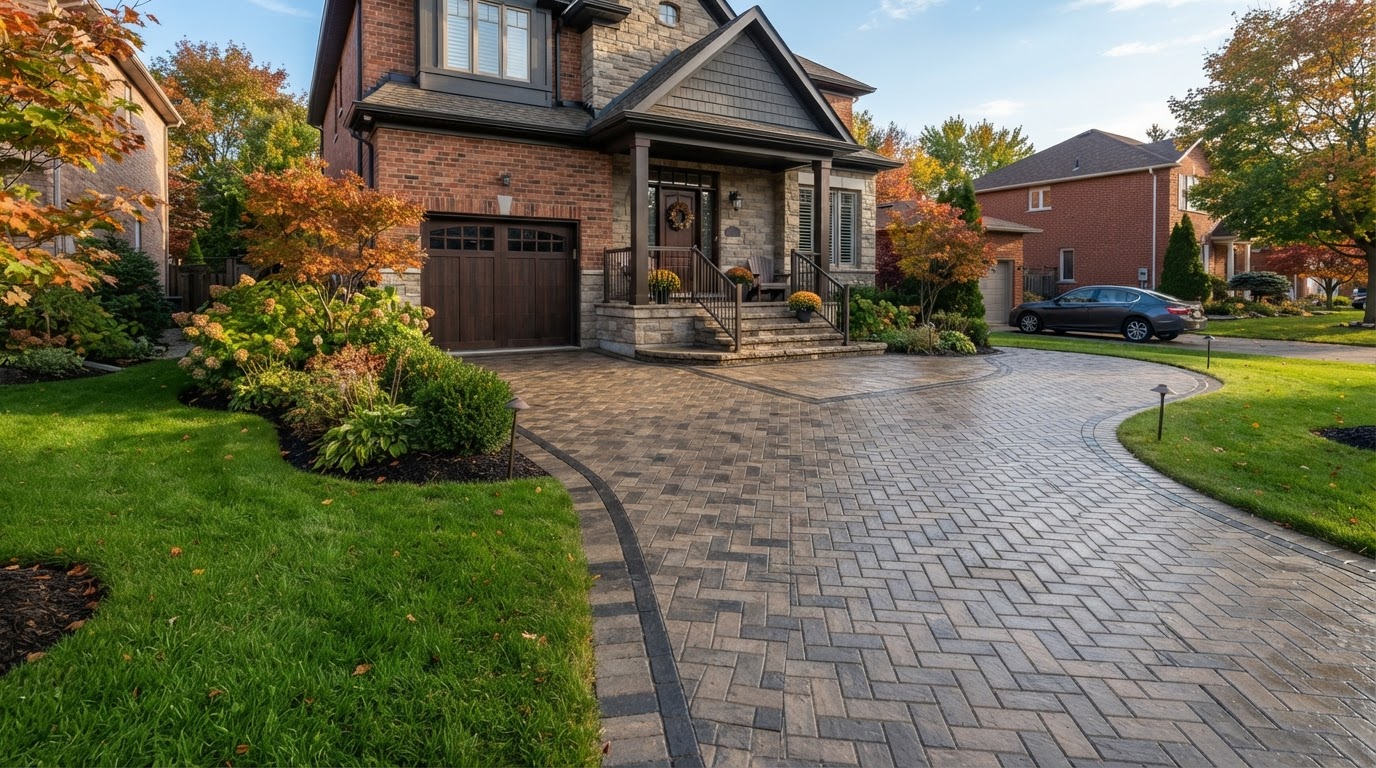
When it comes to enhancing your home's curb appeal, few upgrades compare to a professionally installed interlocking driveway or patio. Interlocking stone offers a beautiful, durable surface that complements your home's architecture while adding real value to your property. But like any landscaping material, it has both advantages and disadvantages. At Lush Lawncare & Landscaping, we've helped countless homeowners across Richmond Hill, Vaughan, and Aurora design and install interlocking patios, walkways, and driveways that last for years. Here's what you should know before deciding if interlocking is right for your property.
What Is Interlocking?
Interlocking refers to a paving system made of individual concrete, natural stone, or brick pavers that fit tightly together on a compacted base. Unlike poured concrete or asphalt, interlocking pavers are not held in place by a continuous slab — instead, they're secured through friction and joint sand, allowing for flexibility and long-term performance.
The Advantages of Interlocking
1. Durability and Longevity
Interlocking pavers are built to withstand Canada's freeze-thaw cycles. Unlike poured concrete, which can crack over time, interlocking systems flex slightly with ground movement. This makes them a smart choice for driveways, patios, and walkways exposed to variable weather in York Region.
2. Easy Maintenance and Repairs
If one stone becomes damaged, it can be replaced individually without disturbing the rest of the surface — something you can't do with asphalt or concrete. Regular sweeping and joint sand replenishment keep your interlocking looking fresh for years.
3. Curb Appeal and Customization
Homeowners love interlocking for its design flexibility. You can choose from endless shapes, patterns, and colours to match your home's aesthetic. Whether you want a classic herringbone driveway or a modern geometric patio, Lush Lawncare & Landscaping can create a design that reflects your style and enhances your outdoor living space.
4. Environmentally Friendly Drainage
Unlike solid concrete slabs, interlocking pavers allow rainwater to pass through the joints, reducing runoff and improving drainage. This makes them an eco-friendly option for environmentally conscious homeowners in Richmond Hill and surrounding areas.
5. Increases Property Value
A well-installed interlocking patio or driveway instantly elevates the perceived value of your home. It's a sought-after feature among buyers who appreciate low-maintenance, high-quality landscaping.
Interlocking vs. Concrete vs. Asphalt
Not sure which material is right for your driveway or patio? Here's a quick comparison of the three most popular paving options for homeowners in York Region:
| Feature | Interlocking Pavers | Concrete | Asphalt |
|---|---|---|---|
| Durability | 25–30 years with minimal cracking; flexible in freeze-thaw conditions. | 10–20 years; prone to cracking over time. | 8–15 years; softens in heat and can form ruts. |
| Maintenance | Replace individual pavers; re-sand joints every few years. | Difficult to repair without visible patches. | Requires sealing and resurfacing every few years. |
| Cost | Higher upfront investment, lower long-term cost. | Moderate cost; variable based on finish. | Least expensive upfront, higher long-term upkeep. |
| Appearance | Wide variety of patterns, textures, and colours. | Limited colour and texture options. | Simple, uniform black surface. |
| Drainage | Permeable joints help reduce runoff. | Non-permeable; may require added drainage solutions. | Non-permeable; prone to pooling. |
The Disadvantages of Interlocking
1. Higher Upfront Cost
Compared to asphalt or basic concrete, interlocking pavers require more materials and labour. However, the investment pays off over time thanks to their superior lifespan and lower maintenance costs.
2. Weed and Ant Growth Between Joints
Because interlocking relies on sand-filled joints, weeds or ants can sometimes appear. Using polymeric sand and professional installation from experts like Lush Lawncare & Landscaping helps minimize these issues and keeps your surface neat and stable.
3. Slight Settling Over Time
Even with proper installation, pavers may shift slightly due to soil movement or heavy use. Periodic re-leveling may be required to maintain an even surface, especially for driveways exposed to heavy vehicles.
4. Regular Maintenance Needed
To keep your interlocking surface looking new, it's recommended to re-sand and seal it every few years. Fortunately, our maintenance team provides professional hardscape care across York Region to make upkeep simple and affordable.
Is Interlocking Worth It?
If you value long-term quality, visual appeal, and flexibility, interlocking is absolutely worth the investment. It's ideal for homeowners who want a premium, customized outdoor surface that can handle harsh winters and still look stunning for decades.
Professional Interlocking Installation in York Region
At Lush Lawncare & Landscaping, we specialize in designing and installing durable interlocking patios, driveways, and walkways throughout Richmond Hill, Vaughan, and Aurora. Our team uses high-quality materials, precise base preparation, and proven techniques to ensure a long-lasting, beautiful result. We also offer complete landscape design, retaining walls, sod installation, and seasonal maintenance to keep your property looking its best year-round.
Ready to transform your outdoor space? Contact us today for a free consultation and discover why homeowners across York Region trust Lush Lawncare & Landscaping for their interlocking and hardscaping needs.
Conclusion
Interlocking offers a blend of beauty, performance, and practicality that few other materials can match. While it may cost more upfront and require periodic maintenance, its durability and design flexibility make it a smart investment for any homeowner. Whether you're upgrading your driveway, adding a backyard patio, or creating a garden walkway, Lush Lawncare & Landscaping has the expertise to bring your vision to life — built to last through every season.
FAQs About Interlocking
How long do interlocking driveways last?
With proper installation and maintenance, interlocking pavers can last 25–30 years or more.
Can interlocking be installed over concrete?
It's possible, but for best results, it's recommended to remove old concrete and prepare a proper gravel base.
Is interlocking good for cold climates?
Yes. Interlocking pavers handle freeze-thaw cycles better than poured concrete, reducing the risk of cracks.
How often should I reseal my interlocking?
Every 2–3 years is ideal to protect colour and prevent joint erosion.