
Why Is My Lawn Turning Brown in Summer?
Lawn Care, Summer Lawn Problems, GTA Homeowners
Why Is My Lawn Turning Brown in Patches During the Summer?
If your once-green lawn is suddenly covered in brown patches, you’re definitely not alone. Patchy, stressed turf is one of the most common summer lawn problems we see across Richmond Hill, Vaughan, Markham, Aurora, Newmarket and the rest of the GTA. The good news? In most cases, there is a clear reason your lawn is turning brown in patches in summer – and with the right approach, you can bring it back to a thick, healthy green carpet.
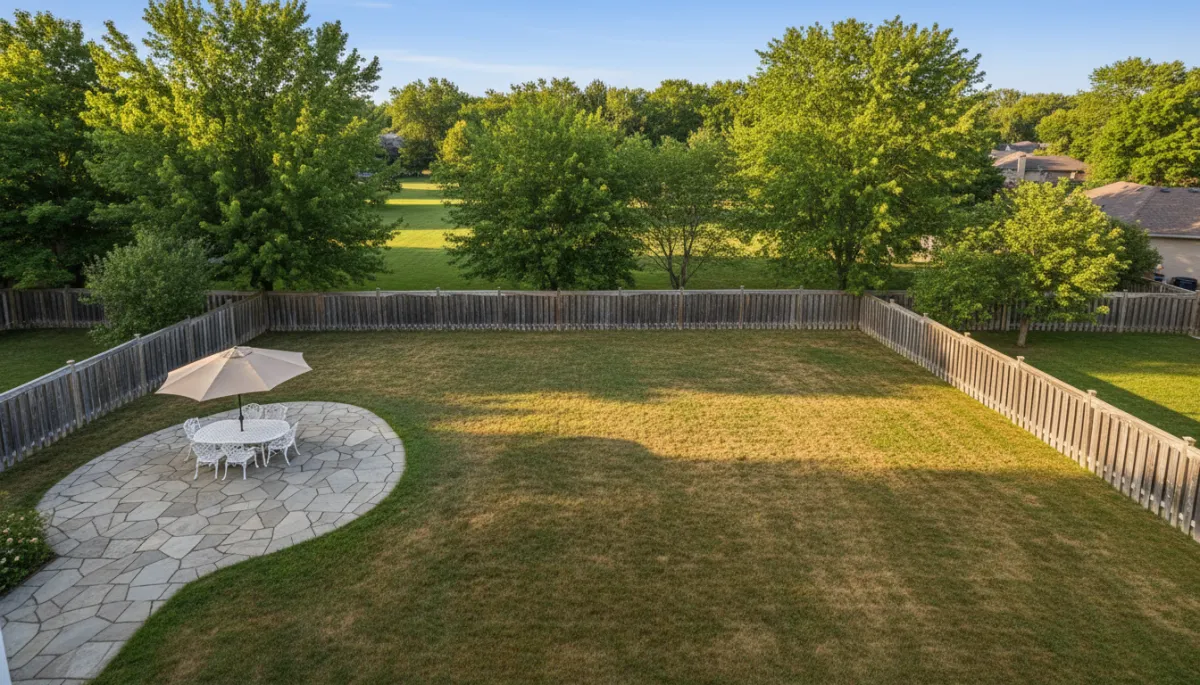
Why Patchy Brown Lawns Are So Common in Ontario Summers
Our local climate puts lawns under a lot of pressure. Most GTA lawns are made up of cool-season grasses such as Kentucky bluegrass, perennial ryegrass and fescues. These grasses love the cooler, moist conditions of spring and fall. When hot, dry weather hits – especially during July and August – they naturally struggle.
Add in watering restrictions, compacted clay soils common in newer subdivisions, heavy foot traffic, and a few hungry lawn pests, and it’s no surprise that lawn turning brown patches summer is a top complaint from homeowners across the GTA every year. The key is to separate normal seasonal stress from issues that actually damage the lawn and need treatment.
The Most Common Causes of Brown Patches on GTA Lawns
1. Heat Stress and Summer Dormancy
In prolonged heat, cool-season grasses often go dormant. The grass blades turn tan or straw-coloured, especially in full-sun areas, on slopes, and along sidewalks or driveways where temperatures are higher. The lawn may look dead, but the crowns and roots are usually still alive, waiting for cooler, wetter weather to green up again. This is a very common summer lawn care Ontario concern, but it’s not always a disaster.
2. Drought and Underwatering
When lawns don’t receive enough consistent moisture, they dry out and turn brown in irregular patches, often starting in the sunniest or highest spots. You may notice the grass feels crispy underfoot and doesn’t spring back when you walk on it. In the GTA, inconsistent watering schedules or relying only on rainfall is a frequent reason for brown patches on lawn in summer.
3. Grub Damage (Insect Pests)
White grubs – the larvae of beetles like European chafers and June beetles – feed on grass roots. As roots are chewed away, the grass can no longer take up water, leading to expanding brown patches that often appear in late summer and early fall. Grub-damaged turf will usually peel back easily like a loose carpet, and you may see birds, skunks or raccoons digging for a snack in those areas.
4. Lawn Diseases: Brown Patch and Dollar Spot
Fungal diseases thrive in warm, humid conditions – exactly what we often get during GTA summers. Two of the most common are:
- Brown patch fungus: Causes circular or irregular brown areas, sometimes with a darker ring around the edge. It’s more common in heavily fertilized, lush lawns during hot, muggy weather.
- Dollar spot: Produces small, straw-coloured spots about the size of a loonie, which can merge into larger patches. You may see bleached lesions on individual blades of grass.
5. Pet Urine Spots
Dogs, especially, can create very distinct brown patches on lawn GTA homeowners quickly recognize: a small dead-looking circle often surrounded by a ring of darker green grass. The high nitrogen and salts in pet urine burn the turf in the centre while fertilizing the outer edge.
6. Compacted Soil and Thatch Buildup
Many GTA properties have heavy clay subsoils. Over time, foot traffic, mowers and even construction can compact the soil, squeezing out air and making it hard for water and roots to penetrate. The result: thin, weak turf that browns quickly in heat and drought, often in high-traffic areas or along paths. Excessive thatch – a spongy layer of dead stems and roots – can create a similar effect by blocking water and nutrients from reaching the soil.
7. Overwatering and Poor Drainage
It sounds counterintuitive, but too much water can also cause brown patches. Saturated soil suffocates roots and encourages fungal disease. Lawns that stay wet for long periods – due to overwatering, shaded areas, or low spots with poor drainage – may develop yellowing or browning patches along with thinning turf and moss.
How to Diagnose What’s Turning Your Lawn Brown
Because different problems can look similar at first glance, a quick “lawn checkup” is the best way to figure out what’s really going on. Here are some simple steps you can take:
- Look at the pattern of the brown patches. Large, even areas in full sun during a heatwave often point to heat or drought stress. Smaller circles or irregular spots may suggest disease, grubs or pet damage.
- Check the soil moisture. Push a screwdriver or small trowel into the soil. If it’s very hard and dry, drought and compaction are likely. If it’s soggy or has a sour smell, overwatering or drainage issues may be the culprit.
- Try the “tug test.” Gently pull on the brown grass. If the turf lifts up easily and you can see white, C-shaped grubs in the soil, you’re dealing with grub damage. If the roots are still firmly attached, the problem is more likely drought, disease or chemical burn.
- Look closely at individual blades. Spots, lesions, or a “smoke ring” around patches can indicate fungal disease. Completely bleached or burnt tips may point to pet urine or fertilizer burn.
- Think about recent activity. New dog in the yard? Recently changed your watering schedule? Had construction equipment on the lawn? These clues often point directly to the cause.
If you’re still not sure, a professional lawn assessment can save a lot of guesswork. At Lush Lawncare & Landscaping, we regularly inspect lawns across Richmond Hill and the GTA to pinpoint the exact reason for brown patches and recommend the most effective treatment.
How to Fix Each Type of Brown Patch Problem
Helping Lawns Recover from Heat Stress and Dormancy
If your lawn is dormant rather than dead, the best approach is gentle, consistent care:
- Raise your mowing height to about 3–3.5 inches to shade the soil and protect roots.
- Water deeply but infrequently – about 2.5–3 cm (1–1.25 inches) once or twice a week, early in the morning.
- Avoid heavy fertilizing during the hottest weather; wait until late summer or early fall.
With proper lawn maintenance services, most heat-stressed lawns will green up again as soon as temperatures moderate and rainfall returns.
Correcting Drought and Underwatering
For drought-related brown patches, the solution is to improve your watering strategy:
- Water early in the morning to reduce evaporation and fungal risk.
- Aim for deep soakings that moisten the soil 10–15 cm down, rather than quick, shallow sprinkles.
- Use tuna cans or rain gauges to measure how much water your sprinklers actually deliver.
Consistent watering, combined with proper mowing and lawn fertilization services, will help your turf build deeper roots and better withstand future dry spells.
Treating Grub Damage
Once grubs have destroyed the roots, those brown patches won’t recover on their own. You’ll need to:
- Apply an appropriate grub control product at the right time of year (usually late summer, depending on the product and infestation).
- Rake out dead turf and loosen the soil in affected areas.
- Topdress with quality soil and overseed with a suitable grass blend, then keep consistently moist until new grass is established.
Because timing and product choice are critical, many homeowners prefer to have a professional handle grub control as part of a broader summer lawn care Ontario program.
Managing Brown Patch, Dollar Spot and Other Diseases
For fungal issues, cultural practices are your first line of defence:
- Water in the early morning, not in the evening, so the lawn can dry out during the day.
- Avoid overfertilizing with high-nitrogen products in hot, humid weather.
- Improve air circulation by pruning overhanging shrubs and trees where practical.
In more severe cases, targeted fungicide treatments may be recommended. Because misdiagnosis is common and products must be applied carefully, disease management is an area where partnering with a local lawn care expert is especially helpful.
Repairing Pet Urine Spots
To minimize damage from pets:
- Flush fresh urine spots with water as soon as possible to dilute salts and nitrogen.
- Train your dog to use a designated gravel or mulched area instead of the main lawn where possible.
- Rake out dead patches, add a bit of fresh soil and seed to match the rest of your lawn.
Relieving Compaction and Reducing Thatch
For compacted or thatchy lawns, mechanical work makes a big difference:
- Core aeration removes small plugs of soil to open up the root zone, improve air and water movement, and relieve compaction.
- Dethatching (when needed) removes excess thatch so water and nutrients can reach the soil more easily.
These services, combined with overseeding and proper fertilization, help thicken the lawn and reduce the risk of future brown patches on lawn GTA homeowners often struggle with year after year.
Fixing Overwatering and Drainage Issues
If your lawn is staying too wet:
- Adjust your irrigation schedule so the soil can dry slightly between waterings.
- Check for broken or misaligned sprinkler heads that may be oversoaking certain areas.
- Consider grading, French drains or soil amendments in persistent low spots with standing water.
When to Call a Professional Lawn Care Company
Some brown patches are simple to fix on your own, but there are times when bringing in a local expert saves time, money and frustration. It’s a good idea to call a professional if:
- Brown areas are spreading quickly, or large sections of the lawn are affected.
- You suspect grubs or disease but aren’t confident in your diagnosis.
- You’ve tried adjusting watering and mowing, but the lawn isn’t improving.
- You’d simply rather have professionals handle seasonal summer lawn care Ontario so you can enjoy your yard without the guesswork.
Lush Lawncare & Landscaping is based in Richmond Hill and serves homeowners throughout Vaughan, Markham, Aurora, Newmarket and the broader GTA. Our team combines local soil and climate knowledge with tailored lawn maintenance and fertilization programs to prevent and repair brown patches so your yard looks its best all season long.
Get a Free Lawn Assessment in Richmond Hill and the GTA
If you’re wondering, “Why is my lawn turning brown in patches during the summer?” the first step is understanding the cause. The second is taking the right action at the right time. You don’t have to figure it all out on your own.
Lush Lawncare & Landscaping offers friendly, expert help for homeowners across Richmond Hill and the GTA. We’ll inspect your lawn, identify what’s behind those brown patches, and create a practical, affordable plan to restore a thick, healthy, green lawn you can enjoy all summer long.
Ready to get started? Contact Lush Lawncare & Landscaping today to book your free lawn assessment in Richmond Hill, Vaughan, Markham, Aurora, Newmarket and surrounding GTA communities.
SEO Title Tag: Why Is My Lawn Turning Brown in Patches During the Summer? | Lush Lawncare Richmond Hill
Meta Description: Discover the most common reasons lawns turn brown in patches during Ontario summers and how to fix them. Learn about heat stress, drought, grubs, disease and more, plus when to call Lush Lawncare & Landscaping in Richmond Hill and the GTA for professional help.
Focus Keyword: lawn turning brown patches summer